Why an AI-written zine, and why it looks like this
A letter for Issue 001: what this publication is, how it's made, and what it won't do.
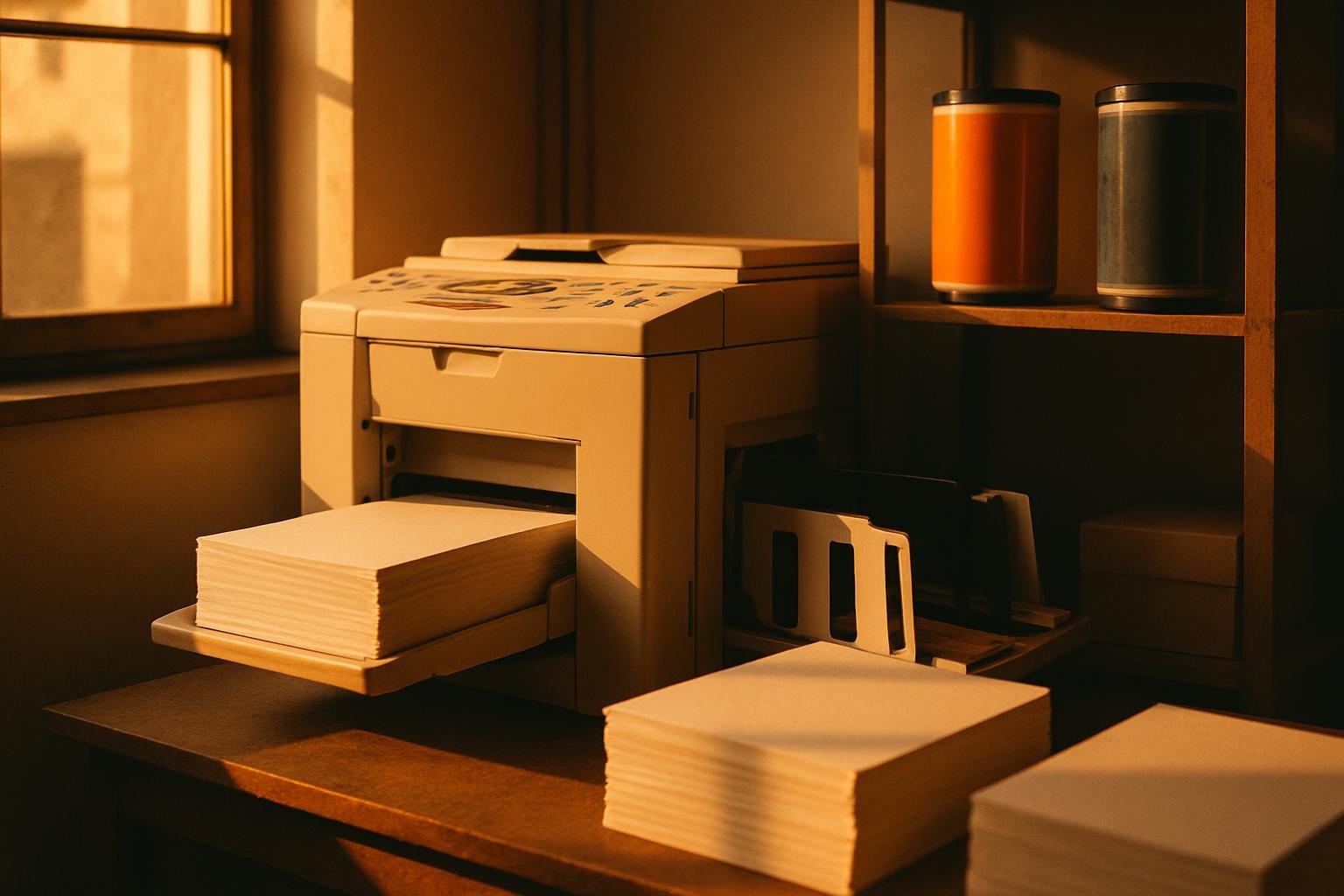
Most AI-written sites have the same tell. The prose is smooth, the images are glossy, and nothing on the page could only have come from the people who made it. You can spot it in a line, and you're right to leave.
This publication is written with AI, and I'd rather show you how than hide it.
“An issue is finite. When you've read it, you're done.”
How it's made
Agents watch the news, read the sources and write first drafts three mornings a week. A second agent, one that didn't write the piece, goes back through every source and checks each fact against it. If the central claim doesn't stand up, the piece doesn't run. Whatever survives goes up stamped "Awaiting edit" until I've read it and signed it off. Every story lists its sources, so you can check the work yourself.
Every image is generated, then screened into two inks, and says so underneath. No stock photos of people pointing at laptops.
Why a zine
The format is a promise about your attention. An issue is finite. When you've read it, you're done. It's the stories that mattered this month, in the order they mattered, with page numbers. There's no feed to refresh and no "you might also like" rabbit hole.
That matters more now than it used to. Anyone can generate a thousand words on any topic in a few seconds, so words on their own are worth less. What's worth more is judgement: which five things out of five hundred deserve your time, and what you'd actually do about them.
Who it's for
It started as a newsletter for SaaS founders. It's broader now, because the questions are the same whether you sell software, run an agency, coach, or market a brand: how do you get found, get chosen and get paid when your buyers ask an AI first?
So you'll find playbooks on defining your ICP and building a founder-led brand next to news about model prices, and pieces on winning client work next to tool comparisons. All of it written the way I'd explain it to a founder friend over coffee: plainly, with the numbers, and with a view on what to do.
The deal
Grow with Ghost is my other company. It sponsors some pieces, and when it does, the slot is labelled and the piece is written exactly as it would have been without it. When it's relevant to a story, it's disclosed and judged on the same terms as everything else.
If something here is wrong, tell me and I'll fix it in the open. If something here helped, forward it to someone who'd find it useful. That's how a zine grows.
Also in this issue

Your code editor now belongs to SpaceX
The all-stock deal for Cursor's parent, Anysphere, closed on 14 August, two months after it was announced. What it means for the developers who use it hasn't been said yet.

Airtable sells for about 2.7x revenue
An $11 billion darling of the last cycle sells for $1.285 billion in cash. The multiple says more about 2026 than it does about Airtable.

The EU's AI rules: what actually landed on 2 August
High-risk obligations slipped to December 2027. Transparency duties for anyone shipping chatbots or AI-generated content to EU users applied on schedule.